

Jobs that Allow You to Solo Travel Full-Time as a Nomad
Purchases made through some links on this page may provide The Detour Effect with commissions (at no extra cost to you). Thank you!
Every article about solo travel rehashes advice about how to feel comfortable by yourself or how to stay safe, but for those of us who already love to be solo, there is very little guidance out there about how to pursue a permanent solo travel lifestyle. What if I want to solo travel all the time, not just once?
I’ve been a solo traveler my entire life, if I really think about it. At least since I could drive. You’d think the prevalence of conversations about solo travel these days would make me feel validated and supported, but instead they’re quite alienating. Nothing makes me feel more “other” than realizing my peers solo travel so infrequently that they need tips on how to have dinner by themselves without feeling awkward. To me, there is no difference between running errands alone in your hometown, such as grocery shopping, and taking a train or plane to another city alone. They are the same thing. They just constitute living, at its most basic. What type of “solo travel tips” aren’t also “how to function as an adult” tips?
It did take me a long time to figure out how to solo travel full-time as a nomad. A lot of travelers who break into the nomadic lifestyle do so as part of a couple or family. I’m sure that comes with its own set of challenges, but nomadic couples are able to share costs. Splitting accommodation and not paying single supplement fees for tours are big advantages. Plus, if they are both freelance or self-employed, which international digital nomads basically have to be, then when work is slow for one person they can rely on the other. It seems to me that they have a bit of a safety net.
Solo travel doesn’t have to be something you only do once in awhile when your friends can’t get their lives together enough to come along. It doesn’t have to be some sort of finite “personal enrichment experience” box that you check off your list and then move on from, like a meditation retreat. If, like me, you’re someone who prefers to live this way all the time, the advice you’re looking for may be more in the vein of “how do I keep it going?” Luckily in the 21st century, there are tons of approaches to answering this question. We’re in a very special time in history.
I have lived many different travel-based lifestyles at this point, all with their own unique advantages and disadvantages. The following strategies are the most conducive to both solo travel and nomadism. Unfortunately they do all involve getting a job, but if you wanted to hitchhike around while busking in the street and selling foot pictures, live your dream.
Seasonal Work
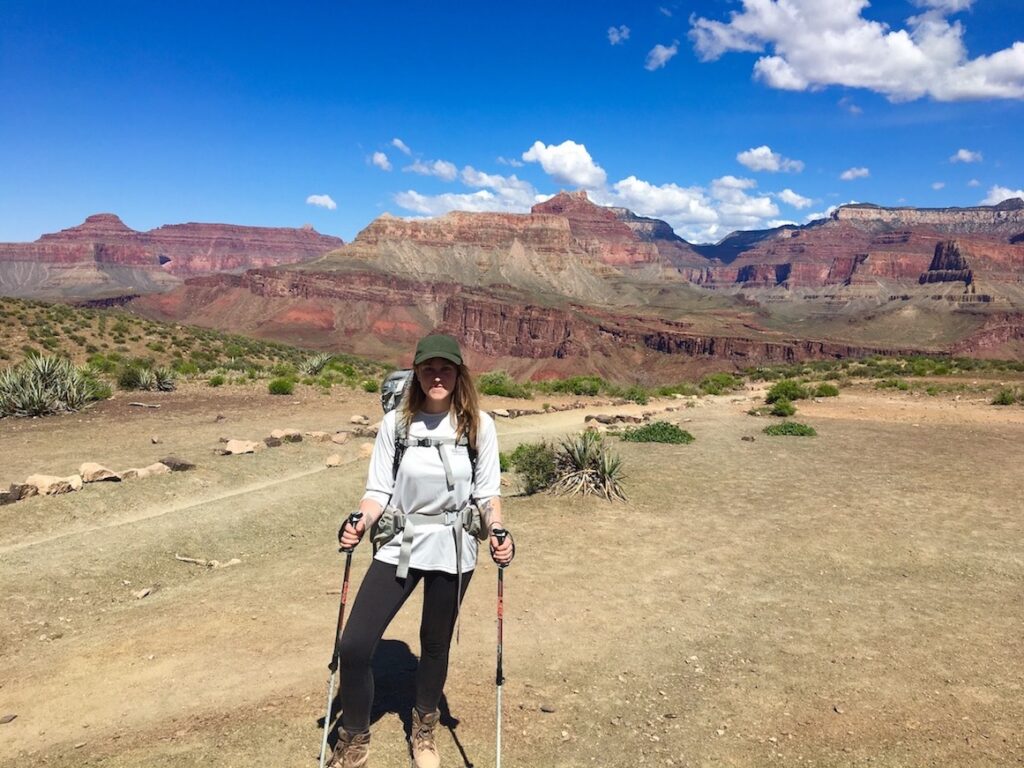
When I stopped working in the music industry in New York City and Los Angeles and decided to change my life, I first turned to seasonal work as a conduit to travel. I worked a few seasons at Grand Canyon National Park, at hostels in Alaska and Colorado, and at Beaver Creek Ski Resort. I have friends who have gotten very creative with seasonal gigs; one of my former colleagues at the Bunkhouse Hostel in Colorado is currently living on a boat as a crew member sailing to Tahiti.
Seasonal work is great for full-time nomadic solo travelers because you can change locations every few months after your contract has ended, and the length of that contract is basically up to you. Most employers expect you to stay for an entire season, but a “season” can vary depending on the type of company. At a ski resort in the United States, obviously November-March is going to be their busiest snowiest time. At the Grand Canyon South Rim, we were open year around, so I just stayed on until I had other plans. I lived and worked there from February-August and let Xanterra know in advance that I would be leaving in August.
These jobs usually include employee housing, so even if the hourly pay rate isn’t enticing, you get to save every penny. Alternatively, if you’re working in the service industry (for instance, as a bartender in a resort town), you’ll make a killing in tips. When it’s time to move on, you can take a break from working and use that money on a trip! After my Colorado ski resort job was done, I went to Costa Rica for a few weeks. After my Grand Canyon job, I went to Europe and hiked five long distance trails in multiple countries back-to-back.
Workamping, where you live onsite at a campground in exchange for being a camp host, is a good option for people who have RVs. These jobs usually include both a wage and a free place to park.
Seasonal jobs will keep you in one place at least as long as your contract, they may or may not involve health insurance (hostels probably won’t), and they will also confine you to your country of residence. A work visa is required to be employed in other countries. But, there are basically no strings attached so you can always move on from a job you’re not enjoying at the end of the season, you’ll get to live and work in new places every few months, and you can take as much travel time off in between jobs as your stockpiled paychecks allow. There are virtually zero additional costs for solo travelers living the seasonal lifestyle in comparison to couples or friends who travel together; employee housing is equally free for everyone.
If you’re not able to save much money during a seasonal gig to fuel your off-season travels, you can always use platforms like Couchsurfing, Worldpackers, WWOOF, Workaway, or Trusted Housesitters to find volunteer work/housing exchange opportunities at home or abroad.
Check out my “Resources” page for more ideas on how to travel the world on a budget through platforms like Worldpackers or Trusted Housesitters, or how to find seasonal jobs through platforms like CoolWorks. I also present new ideas every month via my Location Independence newsletter.
Many thru-hikers who prioritize hiking long trails like the Pacific Crest Trail or Appalachian Trail get seasonal jobs in their off-season to fund their hikes.
Some seasonal jobs could even be more “normal”. One thru hiker I know has a good relationship with an employer who hires him to do carpentry when he’s in town and it pays very well during these short stints. When I used to work in the music industry, a friend who was a tour manager for a band was often gone on the road for months at a time. When he returned home, a local venue hired him to do sound, lights, or roadie work. They always held his job for him.


Vanlife and Remote Work
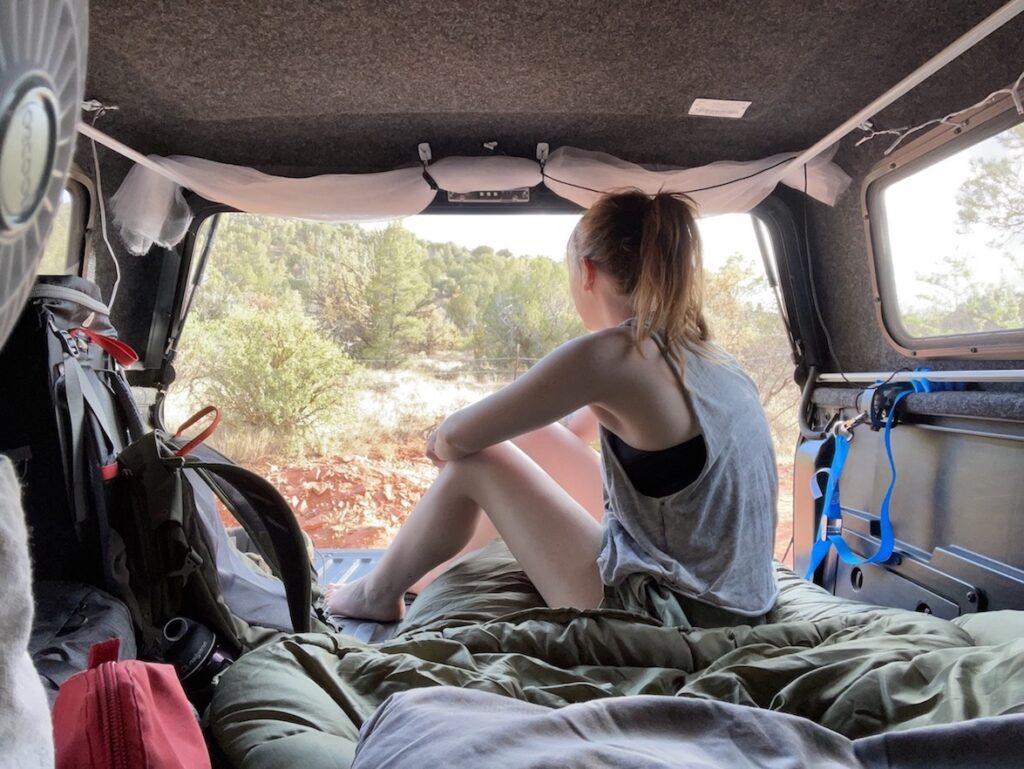
After I got back from hiking all those long trails in Europe, I got a remote job in the outdoor industry and started traveling nomadically while working from my car. Most people know this as “vanlife”, although my vehicle is a truck camper. I’ve written extensively about how to work remotely while living out of your car. Long story short, I use a wifi hotspot, Jackery power station, and solar panels. I camp for free at Bureau of Land Management sites, or I’ll stop and spend a few weeks or months at an AirBnB, HipCamp, or other designated campsite. Of course, vanlife can also be combined with seasonal work. You can be a “parkie” or camp host while living in a vehicle.
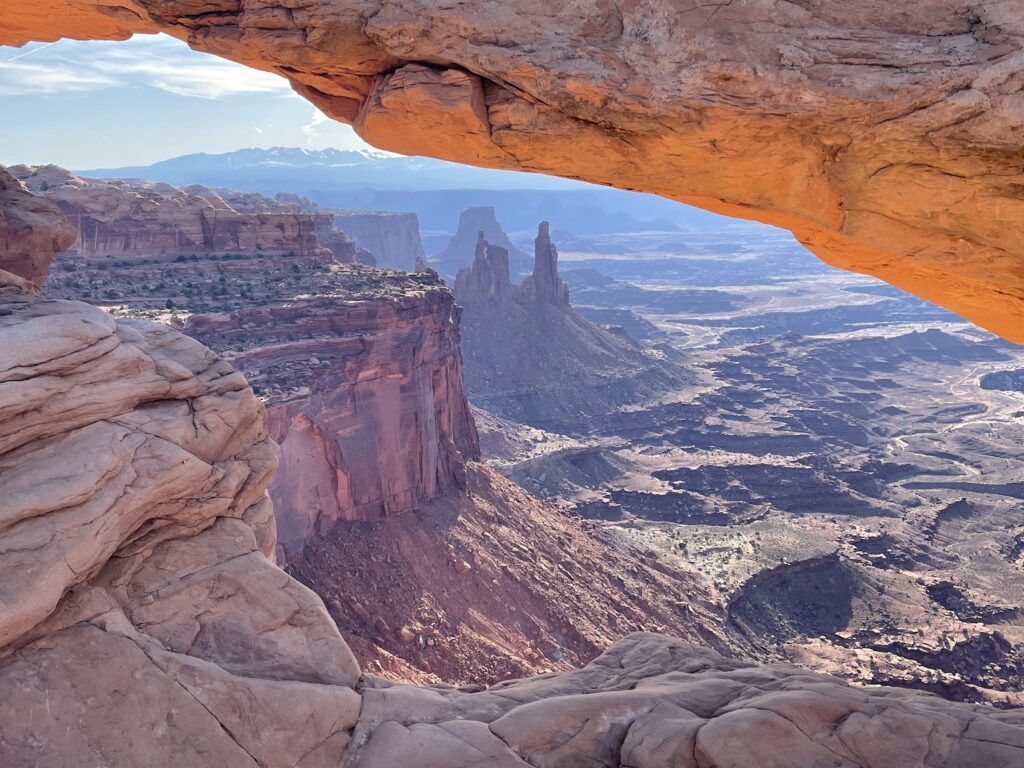
Having a remote job has added so much more freedom to my life. I am not constantly worried about where my next paycheck is coming from and I have reliable health insurance. My employer doesn’t care where I’m located in the States as long as I can clock in on time and do my job, so I’m not beholden to anybody. I have been able to base myself near national parks around the country, including the North Cascades for a month, Big Bend for a month, Mesa Verde for a month, the Organ Mountains for a month, Bisbee/Chiricahua for a month, the Smoky Mountains for a month, etc. I’m currently writing this while based in southern Utah so I can visit Zion, Bryce, Grand Staircase, Capitol Reef, Paria, and Snow Canyon. I also get a fair amount of vacation days like anyone else, so I can travel abroad for finite periods.

Vanlife is a great option for nomadic solo travelers because we don’t need much space! I am certainly glad not to be sharing my truck with anyone. When I stop to get AirBnBs, I can have an entire place to myself. One AirBnB I stayed in was an RV and another was a tiny house. One drawback is that I pay for these accommodations entirely by myself, so sometimes it costs the same that regular monthly rent for a studio or one bedroom would cost if I was settled somewhere. I also pay for all the gas on my drives. When I remember that couples can split these costs it infuriates me. That said, since I am a full-time nomad and don’t have a mortgage or kids or many regular bills, I can afford to shoulder all the costs associated with my lifestyle.
With remote jobs, you may not be able to work from international locations. Work visa requirements are still a problem. If your employer has offices and departments in other countries, then you may be able to transfer there and be sponsored that way. If you make enough money, you might be eligible for the “digital nomad visas” that some countries offer, although you’ll still need to get permission from your employer to apply for those. They may not be comfortable with you working from abroad.
At one point I extensively researched the Long Stay Visa in France because multiple people told me success stories about being able to keep their remote jobs while on this visa, but the consensus is split. Some people say you’re not allowed to work any job while on this visa, but others have done it openly and even told their immigration officers about it without issue. It’s quite a grey area. There may be tax implications for your employer.
Some countries also have investment visas for immigrants who buy property or invest in a local business. I believe citizenship is easier to apply for after this type of investment, and then you’d be eligible to work in-country, but I haven’t looked into it because I’m not rich enough to invest in anything. I live paycheck to paycheck. Regardless, I imagine keeping a remote job would still have tax implications if the employer is not in the same country.
There is a lot of convoluted information online as to whether it’s ok to work remotely on a tourist visa, aka a passport, as long as you leave the country within the allotted timeframe (for instance, you can be in the UK for 6 months on an American passport, or in the Schengen Zone for 90 days). Some people assume it’s fine because you’re not taking a local job, but other people insist the location of your employer is irrelevant. They point out that government websites don’t explicitly state you can’t work a local job as a tourist; they simply say you can’t work. You are a tourist and you’re not supposed to be working at all, for anyone. As far as I’ve found, there is not a country in the world that clearly states that it’s ok to work remotely on a tourist visa, except perhaps Canada. They also usually don’t say it’s not okay, though, either.



Self-Employed/Freelance
I have never been self-employed or made enough money in a freelance hustle to support myself entirely, so I’m sure there are challenges associated with this lifestyle that I can’t speak to. I imagine there is stress about where your next payday is coming from and your hours aren’t regular. Still, from an outsider perspective, this setup seems ideal for building a truly nomadic solo travel framework without borders.
A freelance or self-employed visa will allow you to work in other countries without having to be hired or sponsored by anyone locally. If you’re not a in a highly skilled trade or a field with a local skills shortage in that country, the chances of getting any other kind of work visa are slim to none. What a dream it would be not to rely on companies to take a chance on you, nor to be in a constant paranoid panic about whether its kosher to engage in money-making activities while on some other kind of visa! While abroad in the past, I have even asked myself whether writing blog posts as a hobby is technically “bad”. If I make one dollar off of the ads that appear on a post that I wrote while visiting Europe, have I violated an immigration rule? Surely customs officials have bigger fish to fry, but I still want to be a responsible global traveler who is respectful of local guidelines and these questions make me uneasy. An American influencer who promoted the sale of her eBook about how to move to Bali and work remotely during the pandemic was deported.
Examples of jobs that might qualify for freelance or self-employed visas include freelance writer, computer programmer, graphic designer, software developer, etc. Artists and authors may be eligible for talent or research visas. These are all jobs that are not only conducive to becoming an international nomad, but also a full-time solo traveler. They’re quite solitary positions.
In a slightly different vein is TEFL certification, Teaching English as a Foreign Language. With this qualification, you can teach English online from anywhere in the world where the time difference won’t be too inconvenient for your students. This job is not as solitary, but it’s remote and allows you to be self-employed and nomadic.
In my last newsletter edition I interviewed a nomadic vanlifer friend of mine who is self-employed as a poker dealer. He drives around to different casinos in the western United States to play. He only has to work a few hours a month to make enough money to fuel his lifestyle. I thought this was so creative!
Notice I have not included “content creator” on my list of freelance or self-employment job options. When I see this on other lists, I roll my eyes. Some creators are indeed able to make good money off of their blogs, social media, or YouTube accounts, but to act like you can expect regular paychecks within a few months of beginning is silly.
In full disclosure, I make some revenue off of this blog through my ad network and through affiliate links, but not yet enough to pay for my entire life. I wouldn’t try to sell you on the idea of blogging full time unless you’re willing to play the long game. To make real money, bloggers need to have at least 50,000 page views per month to qualify for Mediavine. I think creators should believe in themselves and go for it, but I also think it’s irresponsible to sell courses on “how to make money blogging” or “how to make $10,000 a month in passive income”. Those people make money by selling the courses themselves, not by successfully implementing the strategies discussed in the courses.

I Have Never Felt Lonely as a Solo Traveler
Travel-Inclusive Jobs
Landing a gig that has travel worked right into the job description might be your first idea when brainstorming ways to travel full-time. If you live on a cruise ship, you’ll be able to travel the world by sea and get off at ports in different countries alongside the guests. As a flight attendant, between each flight you’ll spend some amount of time in each destination you fly to. For positions that are customer service oriented, you may not even need to have prior qualifications to perform your duties, though tourism jobs are in high demand.
From conversations with other full-time travelers, it sounds like these gigs do have some caveats. New flight attendants must pay their dues and don’t have dibs on the “good” flights. They will work a lot of undesirable routes while building up tenure, and rather than having time to explore exotic destinations, they may end up seeing the inside of a lot of airport hotels. Flight attendants often have to have a home base near an airport, so it’s not as flexible as remote work in this sense. For women, there also still seems to be old school expectations about the way we must physically look in order to land flight attendant jobs.
“Cabin crew tend to live close to their base, but it’s not the only option. Many airlines say that crew must live within 45 minutes to 90 minutes traveling time of their base. This is due to ‘standby’ duties, where cabin crew are called out last minute to operate a flight where someone has gone sick or is late for duty.”
Simple Flying
Cruise jobs will allow you to spend an afternoon here and there at crowded tourist ports, but perhaps less time exploring the unique destinations that inspire you. It does seem incredible to have housing, gym, laundry, and food all available to you as part of your job, though. A boat is like a giant vanlife situation. This seems like it would be a very cost effective lifestyle for a solo traveler.
Tour guides and wilderness guides get to visit the locations where they lead tours, although people sometimes don’t understand that each destination requires special certifications to allow commercial operators to run tours onsite. In America, individual backcountry guides need to have a Wilderness First Responder or Wilderness EMT certification, Backcountry Food Manager’s Certification, and Leave No Trace certification. The guide company itself must have Commercial Use Authorization in each park. Other countries require totally different certifications. A guide who is certified to lead a trip in Yellowstone National Park isn’t necessarily qualified to lead a trip in the French Alps. Prior to leading a trip, guides need to have scouted the route extensively too, so a Yellowstone guide wouldn’t randomly jump in to lead a Grand Canyon trip sight unseen, even if they have the right documents. All of this means that while guides get to enjoy accompanying guests on trips to a particular location or two or three, the gig may not necessarily be as fully “nomadic” as you imagine.
All of these jobs are also customer-facing. Solo travelers are often introverts who enjoy their alone time, in which case dealing with customers isn’t as ideal as freelance writing or coding gigs. You may have a lot of downtime in between tours, though. Other jobs that involve accompanying people on their travels, like being a touring performer or an executive assistant to a businessperson or celebrity who travels a lot, feel even less “solo”.

Surviving Burnout as a Travel Writer on the Dead Internet
Jobs for Full-Time Nomadic Solo Travelers
To recap, what are some jobs that are good for full-time nomadic solo travel? The list below is by no means comprehensive, and I’m sure many of these would also work for couples, friends, or family who travel together, or for people who are not nomadic. That said, from the perspective of a solo traveler these jobs would check a lot of my criteria boxes:
- Seasonal national park employee
- Seasonal hostel/hotel front desk administrator
- Seasonal ski resort or ranch employee
- Teaching English as a second language
- Developer/computer programmer
- Graphic designer
- Freelance writer
- Copywriter
- Tour guide or wilderness guide
- Flight attendant
- Cruise ship crew
- Remote customer service agent or call center agent
- Virtual assistant
- Tutor
- App developer
- Social media manager
- Camp host
- Poker dealer
Have you ever worked an interesting job that you would add to this list? Or are there any other jobs you can think of that would theoretically be ideal for full-time nomadic solo travel?
For more ideas, check out Happy Little Traveler‘s article where they interviewed nomads (including me!) about How to Make Money While Traveling.
Pin It:

My dream is to write travel and hiking content full-time. All of my guides and itineraries are free and my travels are self-funded. If you enjoy my site and would like to support, you can donate any amount to my Ko-fi page. Thank you!!